
-
×
 MINI Village Balalaika band mini 5-set Babushka MINI TINY 1 × $49.95
 -
×
Milana Babushka Matryoshka nesting Doll 1 × $39.95
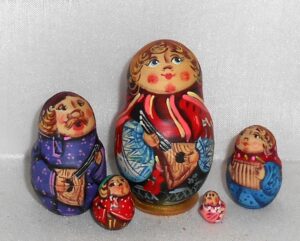 MINI Village Balalaika band mini 5-set Babushka MINI TINY
 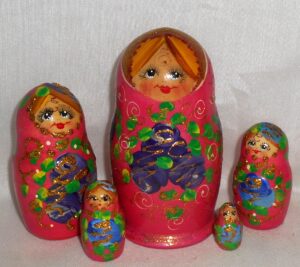 Milana Babushka Matryoshka nesting Doll
First, a caveat
Ask a dozen matryoshka collectors which “brand” is best and you’ll get a dozen different answers, because a matryoshka is rarely a corporate product the way a kitchen appliance is. There’s no single global manufacturer stamping out every set from one factory. What you’re really comparing is a mix of regional painting traditions, individual artisan skill, and — increasingly, for Australian buyers — which specialty retailer actually sources and ships the real thing rather than a mass-produced imitation.
That distinction matters more than a logo. A doll from a skilled painter in a small regional workshop can easily outclass something sold under a flashier name but turned out on an assembly line. So rather than chase a single “best brand,” it helps to understand the handful of things that genuinely separate quality sets — the regional styles worth knowing, the construction details that signal real craftsmanship, and the retailers in Australia actually built around this specific craft.
Regional heritage
The style names collectors actually look for
Long before “brand” meant a logo, it meant a place. Russia’s matryoshka industry grew out of a handful of towns and villages, each developing its own recognisable look, and collectors still use these regional names as shorthand for a particular style today:
| Region / style | What to look for |
|---|---|
| Sergiev Posad | The town where mass production began after the original Moscow workshop closed — often considered the traditional benchmark style. |
| Semyonov | Bold red, blue and yellow brushwork with large sections of bare wood left showing through. |
| Polkhovsky Maidan | Deep burgundy, purple and green tones, usually built around a large painted rose. |
| Kirov (Vyatka) | Smiling, rosy-cheeked faces and floral headscarves; some sets from this region use straw inlay instead of paint. |
None of these are consumer “brands” in the modern sense — they’re living traditions, still practiced by working artisans. But knowing them gives you a much better basis for judging quality than a label ever could. Our own Traditional Classic Dolls and Floral Babushkas collections draw directly on this same lineage of brushwork, while our Woodburn Dolls follow the Polkhovsky Maidan technique of burning the pattern into the wood before any colour is added.
Closer to home
Why the retailer matters as much as the region
For Australian shoppers, the more practical question usually isn’t which Russian village painted a set — it’s which local retailer can actually be trusted to source genuine, hand-finished dolls, ship them without months of delay, and stand behind the range they sell. This is really where a “brand” in the everyday sense comes into it, and it’s the gap a specialist retailer is built to fill.
A good matryoshka retailer isn’t judged by how many dolls it lists — it’s judged by how honestly it represents what each one actually is.
That’s the standard we hold ourselves to as Dolls In Dolls, Australia’s dedicated babushka and matryoshka specialist.
Featured Brand
Dolls In Dolls
Rather than a single style or a single workshop, Dolls In Dolls is built around the full breadth of the craft — traditional peasant-dress sets, regional wood-burned and floral pieces, museum-grade collector items, and playful modern themes, all curated for an Australian audience and shipped locally rather than left waiting in international customs. It’s less a single “brand” of doll and more a considered collection of them, organised so you can shop by the style, size, or occasion you actually have in mind.
What to check
Judging quality regardless of the name on the box
Whichever retailer or style you’re drawn to, a handful of details tell you more about quality than any brand name will:
The wood. Genuine sets are turned from linden or birch, left with a visible grain even under paint — not moulded plastic or resin dressed up to look like wood.
The fit. Each doll should nest into the next with a quiet, snug click, never rattling loosely or refusing to close flush.
The brushwork. Hand painting always carries small, human variation — a slightly different curve of a rose, a stroke that isn’t quite identical to the doll beside it. A pattern that looks perfectly repeated from doll to doll is almost always printed rather than painted.
The base. A flared, weighted bottom on the largest doll is there for a reason — it keeps a full set standing upright and stable on a shelf.
Shopping by occasion
Matching the doll to the moment
Once you know what to look for, the easiest way to choose is by why you’re buying rather than which name is on it. Buying for a child or a fan of something playful, our Animals & Birds, Cartoons Kids Stuff, and Celebrity Babushkas ranges tend to land well. For something to give rather than keep, the Jewelry and Small Items collections are sized and priced for exactly that.
If it’s a seasonal gift you’re after, our Christmas Nook, Easter Nook, and Religious Art Icons ranges bring the craft into holiday tradition, and the lighter Egg Shrink Sleeves collection is a low-cost way to add the same nested-pattern charm to an Easter table. And for anyone building a collection over time, the Mini Tiny Nester range is a nice place to start small, while Museum Quality High-End pieces are there for when you’re ready to invest in something rarer.
In closing
There’s no single “best,” only the right fit
The honest answer to which brand is best is that the craft doesn’t really work that way — it rewards knowing the regional styles, checking the construction, and buying from a retailer who represents the dolls accurately rather than chasing a name. For Australian buyers, that’s precisely the gap Dolls In Dolls was built to fill: one trusted, local source for the traditional, the regional, and the playfully modern, all in one place.