
The Australian Buyer’s Guide to Authentic Russian Nesting Dolls

The complete guide to authentic Russian Matryoshka
Everything about how genuine Matryoshka dolls are made, where the different regional styles come from, and how to tell a real one from an imitation.
The Matryoshka doll is one of Russia’s most recognisable pieces of folk art — but the market is also full of cheap imitations that trade on the name without the craftsmanship. This guide covers the full picture: where the dolls came from, how they’re actually made, the different regional styles, and exactly what to look for so you can buy with confidence.
Matryoshka dolls are traditional Russian nesting dolls handcrafted from linden or birch wood. Authentic examples are individually hand-painted, precisely fitted and often signed by the artist. Dolls In Dolls has specialised in authentic Russian Matryoshka dolls in Australia since 2006 and stocks more than 4,000 genuine pieces.
A Matryoshka doll is a set of wooden Russian nesting dolls, hand-turned from linden or birch and individually hand-painted, with each doll fitting inside the next largest. The style originated in Russia in the 1890s and is still handcrafted by regional artisan workshops today.
- Established Australian specialist since 2006
- Over 4,000 authentic Matryoshka dolls stocked
- More than 98,000 orders at markets and online
- First-hand experience sourcing authentic Russian nesting dolls
A short history
The first matryoshka set was carved in 1890 in the town of Sergiev Posad, inspired by Japanese nesting figures and painted in the folk-art style already popular across rural Russia. It quickly became a symbol of Russian craftsmanship, winning a bronze medal at the 1900 Paris World Fair and spreading to workshops across the country.
Through the Soviet era, regional workshops developed their own distinct styles — Semenov, Kirov, and others — each recognisable by their colour palette and pattern work. That regional variation is still what defines the market today.
Read the Full Story & Symbolism →How an authentic doll is made
Each doll starts as a block of linden or birch, dried for up to two years to prevent warping. A craftsperson turns the largest doll first, then works down in size, test-fitting each smaller doll by hand so it seats snugly without rattling. Once shaping is complete, the pieces are sanded, primed, hand-painted, and finished with several coats of varnish.
This is a genuinely skilled trade — a full 15-piece set can take a single artisan several days from raw wood to finished, varnished doll.
See Our Full FAQ →Regional styles
Just as pottery or textiles vary by region, so does Matryoshka painting style. Here are the main traditions you’ll encounter:
- Semenovbold, large rose motifs, bright palette
- Kirovfiner, more detailed brushwork
- Vyatkaa distinct northern regional look
- Nolinska rarer regional variation
- Zagorsk / Sergiev Posadthe birthplace style, traditional patterns
How to spot an authentic doll
| Look for | Skip if you see |
|---|---|
| Visible wood grain, slight variation between dolls | Identical, seamless plastic sheen |
| Painted brushstrokes with tiny imperfections | A flat, perfectly repeated printed pattern |
| A snug, quiet fit between each doll | Loose rattling or a doll that won’t stay closed |
| An artist signature or workshop stamp on the base | No markings at all on a “hand painted” listing |
Sizes and piece counts
Sets typically range from 3 to 30 pieces. Smaller sets (3–5 pieces) are the most common gift/starter size; larger sets (15–30 pieces) are collector or display pieces that show off an artisan’s precision.
Caring for your dolls
Dust with a soft, dry cloth only — avoid water or cleaning sprays, which can damage paint and varnish. Keep sets out of direct sunlight to prevent fading, and away from heating/cooling vents to prevent the wood cracking from rapid temperature changes.
See Our Collector’s Price Guide →Frequently asked questions
What’s the difference between a Matryoshka and a Babushka doll?
They’re the same object — Matryoshka is the correct Russian term, Babushka is the common Australian/English name.
Are all Matryoshka dolls made in Russia?
Authentic ones are, from regional workshops. Many cheaper imitations are mass-produced elsewhere and simply styled to look Russian.
Why is linden wood used?
It has a fine, even grain with almost no knots, allowing very thin, precise walls to be turned on a lathe without splitting.
How old is the Matryoshka tradition?
It dates to 1890, making it just over 130 years old — young compared to some Russian folk crafts, but now deeply iconic.
Do Matryoshka dolls always depict women?
Traditionally yes, but modern sets also depict animals, folk tale characters, historical figures, and men.
Can I buy dolls by region specifically?
Yes — we stock dolls organised by regional style including Semenov, Kirov, Vyatka, Nolinsk, and Zagorsk.
Keep reading
Explore the rest of our guides
- Buyer’s Guide to Authentic Russian Nesting Dolls How to shop our full range by style, size and occasion.
- The Story & Symbolism of Matryoshka Dolls The cultural history and meaning behind the design.
- Collector’s Price Guide: What Makes a Matryoshka Valuable? How to judge quality, rarity, and long-term value.
- Matryoshka & Babushka Dolls — FAQ Answers to the questions we’re asked most.
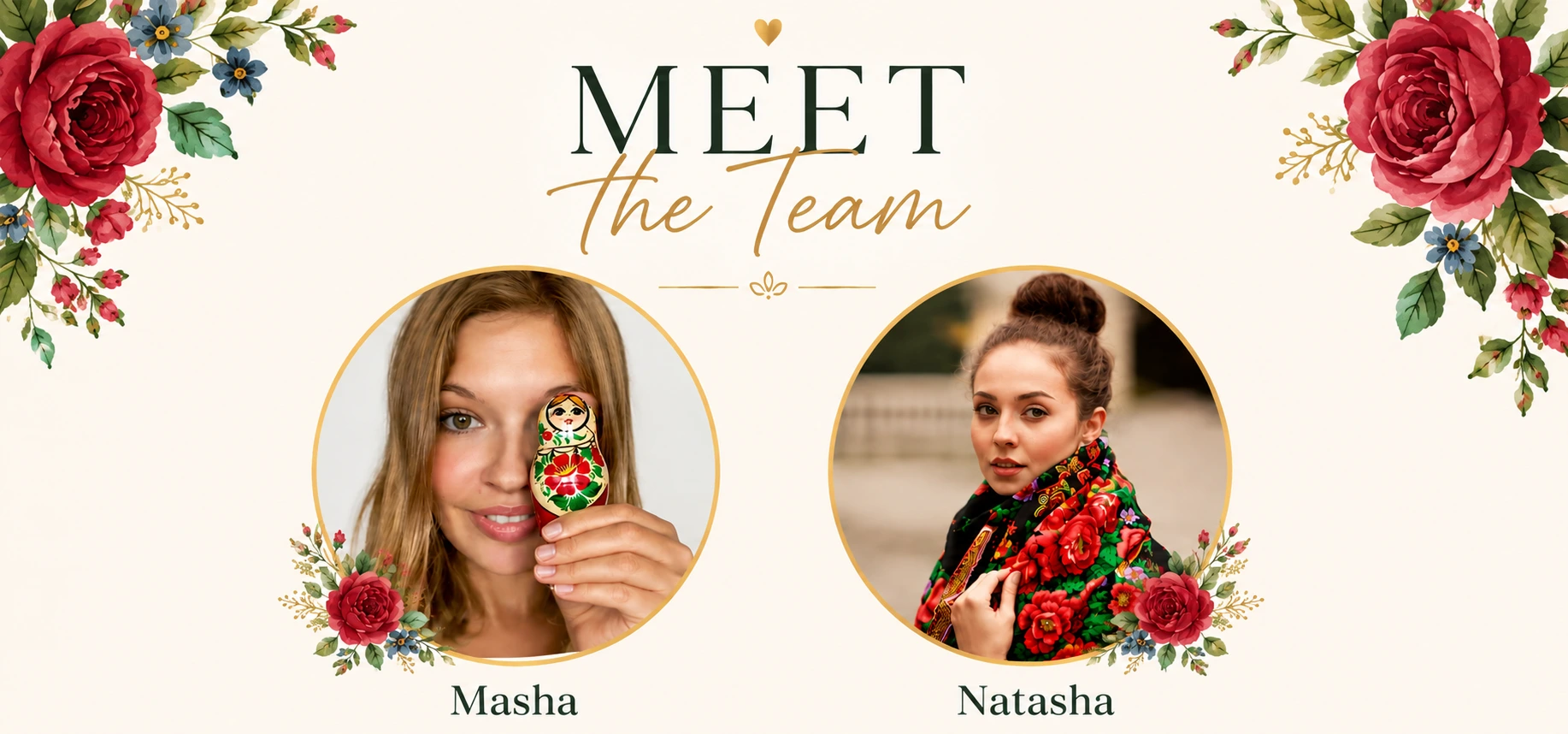
Dolls In Dolls is Australia’s specialist Matryoshka store, established in 2006. For more than 20 years we’ve sourced authentic Russian nesting dolls from traditional artisans and helped thousands of Australian collectors and gift buyers choose genuine handcrafted Matryoshka.
See the whole collection in one place
Every style, size, and season sits inside the one Australian-shipped range.
Browse Dolls In Dolls